|


It is an upgraded high-performance mixing and drying system developed by our company, combining the respective advantages of a ribbon mixer and a vacuum dryer. It is suitable for active pharmaceutical ingredients (APIs), food products, and chemical materials. The drying efficiency of this equipment is 3–5 times higher than that of a “double-cone rotary vacuum dryer” of the same specification.
The Single Conical Ribbon Vacuum Dryer operates in an intermittent batch process. After the wet material enters the vessel, heat is applied through the jacket on the vessel wall and inside the ribbon agitator, increasing the effective heating area to 140% of the container’s total surface area for efficient heating and drying. By selecting the appropriate model (working volume) of the conical dryer-mixer, optimal drying results can be achieved.
The top-driven design of the mixer-dryer not only provides both drying and mixing capability, but also offers ample internal space, making inspection and maintenance more convenient. The unit is motor-driven, and the spiral ribbon is designed to lift the material without additional energy consumption for discharge.
It is worth noting that, during the mixing and drying process, traditional equipment typically uses a belt-type agitator, whereas the Single Conical Ribbon Vacuum Dryer applies a specially engineered spiral ribbon for improved performance.
In conventional mixing, the material moves as a whole during agitation, and a large portion of the energy consumption is used to drive the entire bulk of material in a circular motion, resulting in relatively low drying efficiency. In contrast, the GLZ Series Conical Ribbon Vacuum Dryer adopts a conical spiral mixing system. The entire ribbon agitator rotates around the central axis of the conical vessel, ensuring that materials in all areas of the container are fully agitated.
During operation, the spiral agitator gradually lifts the material from the bottom of the vessel to the top, where it naturally falls back down, creating a continuous circulation. This mixing pattern achieves thorough and uniform blending of the material, prevents clumping during drying, and significantly improves both mixing and drying efficiency. Additionally, it offers a wide processing capacity range and low specific energy consumption per unit of material.
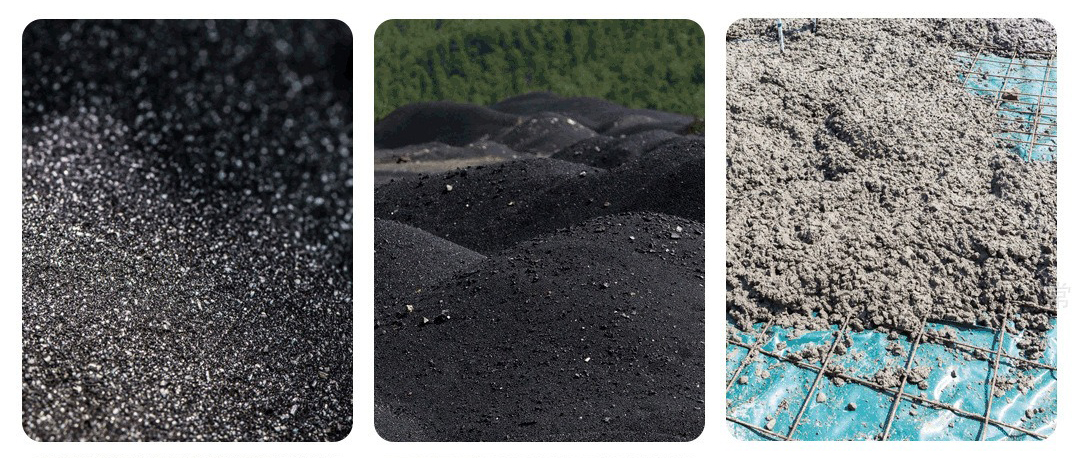
Used in the pharmaceutical, food, industrial, and agricultural industries for mixing materials such as clay, slag, coal, metal powders, and more.